Iron Billets Export from Iran: Quality, Standards, and Pricing Factors
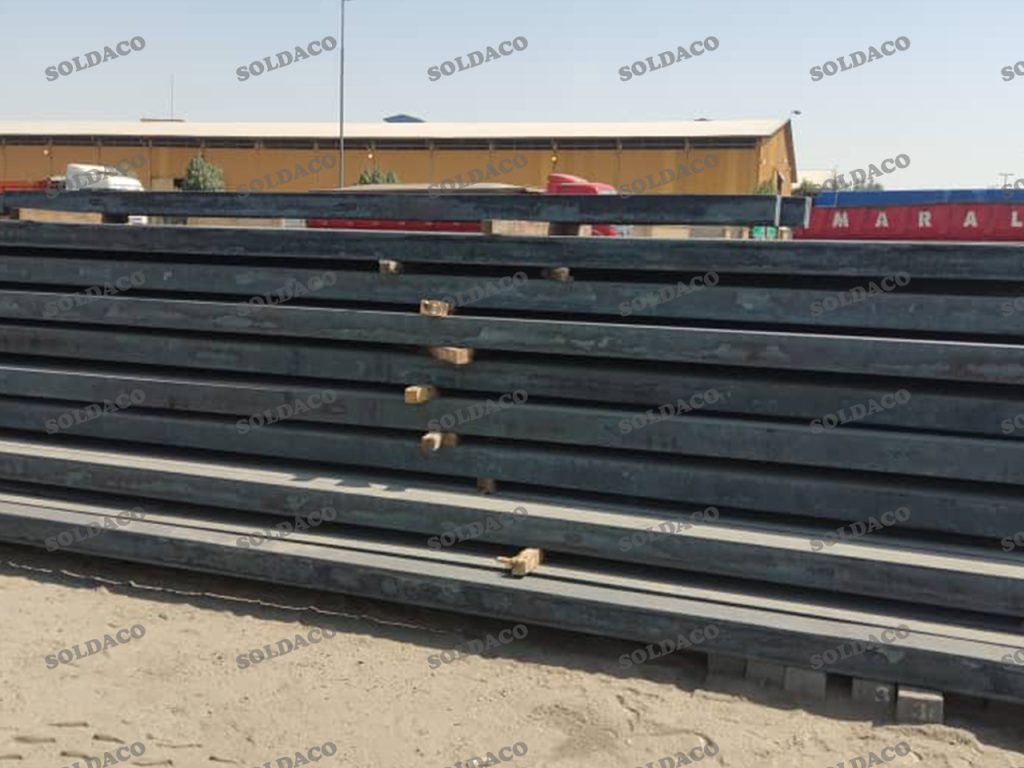
The global demand for semi-finished steel products continues to grow, and iron billets export from Iran has become an increasingly attractive option for steel traders, rolling mills, and construction material importers. Thanks to strong domestic steel production, competitive pricing, and access to regional and global markets, steel billets from Iran are now widely traded across Asia, the Middle East, and Africa.
This article explains the quality, standards, and pricing factors that importers should understand when sourcing iron billets from Iran.
What Are Iron / Steel Billets?
Iron billets, commonly referred to as steel billets, are semi-finished steel products produced through continuous casting. They are typically square or rectangular in shape and serve as the primary raw material for downstream steel products.
Steel billets are widely used to manufacture:
- Rebars
- Wire rods
- Angles and sections
- Structural steel products
Quality of Steel Billets from Iran
Iranian steel mills produce billets using modern electric arc furnace (EAF) and continuous casting technology, ensuring consistent quality and chemical composition.
Typical Quality Features
- Uniform dimensions and surface finish
- Low impurity levels
- Stable mechanical properties
- Suitable for hot rolling applications
Iranian billets are suitable for both domestic processing and international export markets.
Standards for Iron Billets Export from Iran
Steel billets from Iran are commonly produced according to internationally recognized standards, depending on buyer requirements.
Common Standards
- ASTM A615 / A706
- BS 4449
- DIN standards
- GOST
- Custom chemical specifications on request
Typical Chemical Composition (Indicative)
Carbon (C): Controlled for rolling performance
Manganese (Mn): Enhances strength
Sulfur & Phosphorus: Low levels for better ductility
Silicon (Si): Controlled for steel quality
Mill Test Certificates (MTC) and third-party inspections are usually available for export shipments.
Iron Billets Export Market from Iran
Iranian steel billets are commonly shipped via southern ports, offering competitive transit times for regional importers.
Pricing Factors for Steel Billets from Iran
Several factors influence the pricing of iron billets export from Iran:
- Raw Material Costs
Iron ore, scrap availability, and energy costs directly affect billet pricing.
- Steel Grade and Specifications
Billets with tighter chemical tolerances or special standards may carry a premium.
- Global Steel Market Trends
International billet prices, demand from China and India, and regional construction activity play a major role.
- Shipment Size and Terms
Pricing may vary based on:
Bulk vs container shipments
FOB or CIF terms
Contract volume and frequency
Why Importers Choose Steel Billets from Iran
Several factors influence the pricing of iron billets export from Iran:
- Raw Material Costs
Iron ore, scrap availability, and energy costs directly affect billet pricing.
- Steel Grade and Specifications
Billets with tighter chemical tolerances or special standards may carry a premium.
- Global Steel Market Trends
International billet prices, demand from China and India, and regional construction activity play a major role.
- Shipment Size and Terms
Pricing may vary based on:
Bulk vs container shipments
FOB or CIF terms
Contract volume and frequency
Importers prefer steel billets Iran for several reasons:
Competitive pricing compared to other exporting countries
Reliable supply from established steel mills
Flexibility in specifications and standards
Experience in bulk and containerized exports
For rolling mills and steel traders, Iranian billets offer a balance of quality, affordability, and availability